I love a good paradox; they create both tensions to validate and opportunities for unconventional thinking. One that’s been rolling around in my mental rock tumbler lately: as marketing has become more digital, has it actually become more human? It’s beautifully counterintuitive. The more we lean on technology, the more we deliver truly personal, highly relevant experiences.
The first three posts in this series dig into how we must evolve our ways of working, adopt new mental models, and broaden how we reach our target audiences. We now have the technology to deliver very specific messages, visuals, and even entire experiences to a single person based on where they are, how they feel, and what they’re doing in a
particular moment—all informed by their prior actions and augmented by a range of non-personal data like weather or traffic. That same technology enables us to replicate this
hyper-personalization at scale, across thousands and millions of consumers.
If seeing this technology in action or chasing efficiency were the end goals, we’d already be living the marketing dream. Yet, that isn’t why we do this work, and it’s definitely not the desired outcome in health and wellness.
At MERGE, we’re flipping the traditional agency model on its head to finally make “whole human marketing” a reality. As we evolve into an
AIgency, this paradox comes to life: efficiency, creativity, and innovation powered by AI are only meaningful when they elevate the whole human experience.

Beyond Personalization: Seeing the Person
People lead multi-dimensional, complex, messy, and wonderful lives. Every role that a consumer holds deserves respect and resonance. By making this shift to delivering personalized experiences on a
contextual spectrum, we're signaling to the consumer that we care about them as a whole human.
While traditional marketing puts people in boxes—a patient, a shopper, a member, or a guest—our new marketing reality is adapting to people’s dynamic, fluid lives. This is where infinite individualism becomes real. We’re not flattening people into a single role but honoring them as an audience of one, especially as they move across roles and contexts throughout their day.
A parent may be a CEO, a caregiver, a gamer, and a citizen—all within the same day. We don’t hit invisible walls as we move between these roles. We just live our lives, checking work emails before grabbing a phone call from the babysitter on the way to pick up a grocery order.
It’s important to note, though, that different roles don’t mean different people. Marketing must honor the whole person—hence, whole human marketing—and do so through empathy, nuance, and dynamic storytelling. When done effectively, a brand can demonstrate deep knowledge about a person and adapt in real time based on signals.
AI With a Human Touch
Just as they flow seamlessly through their roles and responsibilities, consumers also expect their interactions with brands to be frictionless. At MERGE, we call this a contextual spectrum: meeting people in their exact moment, capturing their mood, role, and environment, and responding in ways that feel natural and relevant.
It’s easy to imagine this happening in a human-to-human interaction where a receptionist at an urgent care clinic expedites a patient’s appointment after noticing their exhaustion and overhearing that their family member recently passed away. With AI and technology, it’s critical to not overstep where your brand has a right to show up for someone in the context of a moment. AI recognizes signals, but it’s humans who use empathy to interpret them in ways that build trust.
Our digital world requires a nuanced understanding of how to allow whole human data to inform messages and services without showing up in unexpected or unwelcome ways—for example, recognizing when a patient arrives via city bus and adding that to their record so they receive information about public transportation in their post-visit summary.
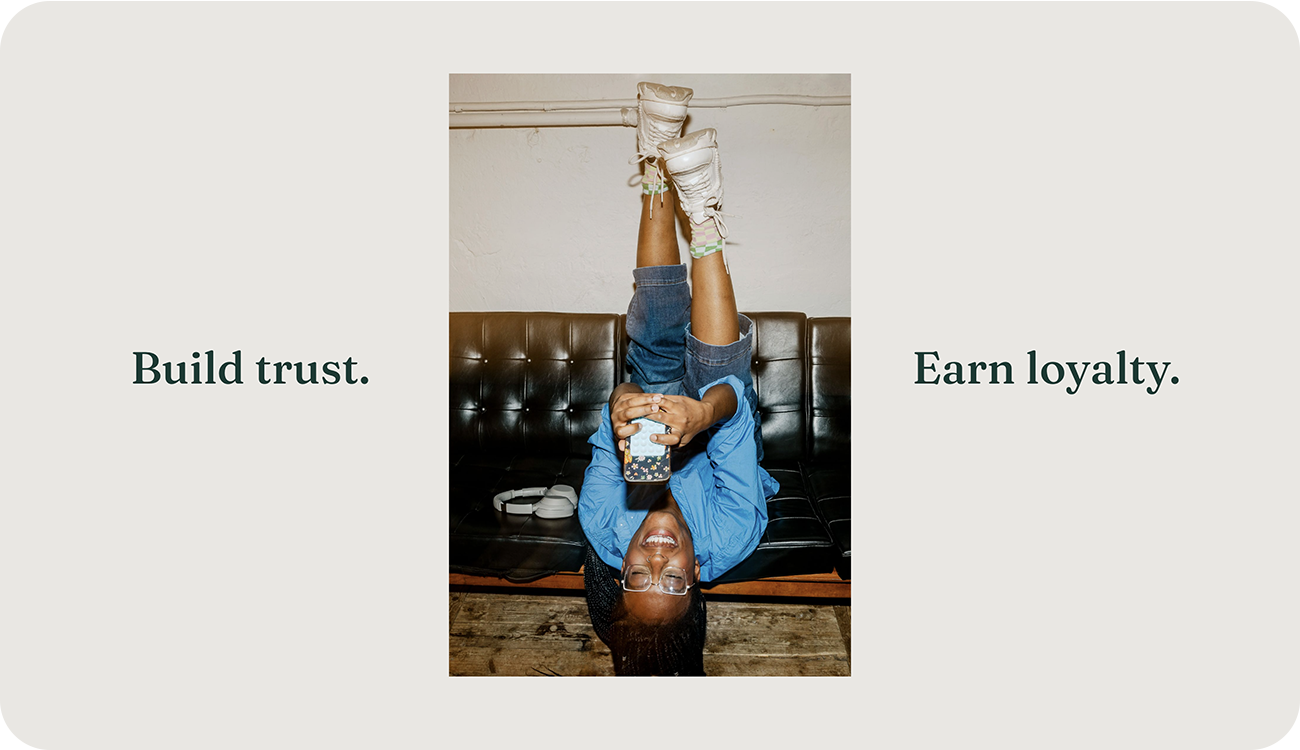
In competitive markets, especially health and wellness, trust is the differentiator. Any brand can deliver speed or convenience; the brands that win are those that make consumers feel understood in the moments that matter without overstepping.
To make this real, and with her permission, I want to share a story about my friend
Shanna, a mom, friend, wife, daughter, athlete, and someone who loves cozy sweatpants as much as I do.
When Patient Is Just One Role
In January of 2018, Shanna flew to Chicago with her husband to undergo a 12-hour brain surgery to remove a benign tumor that sat on her brain stem and pushed against her hearing nerve. After successfully removing 98% of the tumor, the surgeons required Shanna to stay in Chicago—eight hours from home—for a week of observation. Then, when she made it back to Kansas City after a grueling, tiring, and painful car ride, she spent months in rehab.
The first morning she looked in the mirror, she hardly recognized the woman looking back at her—but she did know her. Shanna was adjusting to becoming permanently deaf on her right side. And, while she couldn’t smile to show all her teeth, close one of her eyes completely, or chew on both sides of her mouth, she was determined to reach those milestones and more. Her exhausting work would lead her to regain her balance, walk straight, run, and dance again.
The Roles That Never Pause
Even with this intense health journey consuming so much of her life, Shanna was never just a patient. She was a mom, a friend, a wife, a daughter, an athlete—and, relatably, she probably needed some cozy sweats more than ever. Before her big surgery and even bigger outcome, Shanna led a full life, complete with shopping, coffee dates, vacations with her family, cheerleading, and hosting events.
Even when she was going through a seemingly endless barrage of doctors’ appointments, tests, scans, brain surgery, and recovery, it wasn’t only her health that defined her.
Shanna was a mother, facetiming her children, asking about their days, and telling them she missed them. She was a colleague, wondering how her team was managing an upcoming event and eager to hear about new case grant recipients. She was a Chiefs fan, cheering on her hometown football team and hoping they’d make another playoff push. She was a friend, worried about not returning phone calls or text messages.
Healthcare largely saw Shanna only through the lens of “patient.” What they missed was the full spectrum of her identity. Whole human marketing exists to close that gap, ensuring brands recognize signals beyond the clinical role and honor people in the entirety of their lives.
The future of marketing is understanding all of this about Shanna and finding the places where your brand has a right to show up. Where your brand’s understanding of a fuller context builds trust and drives better outcomes. Imagine how different that challenging time could have been if Shanna knew her hospital had dedicated Wi-Fi for family and work calls. Or that experts were available to advise on the best device settings for healing brains and vision, and that counselors could help her children understand their mom’s recovery in age-appropriate ways.
Imagine an athletic wear brand that focused only on athletes in its personas and demographics and never marketed to someone in recovery—even though they knew their products were perfect for physical therapy. Shanna would have missed out. But the moment that brand saw Shanna, and others like her, as whole humans—interested in cozy sweats and needing them during PT—they could understand her as someone who would deeply appreciate knowing their products are ideal and would love a promo code at just the right time. Your audience is now a multitude of audiences of one.
The Payoff: Trust and Loyalty
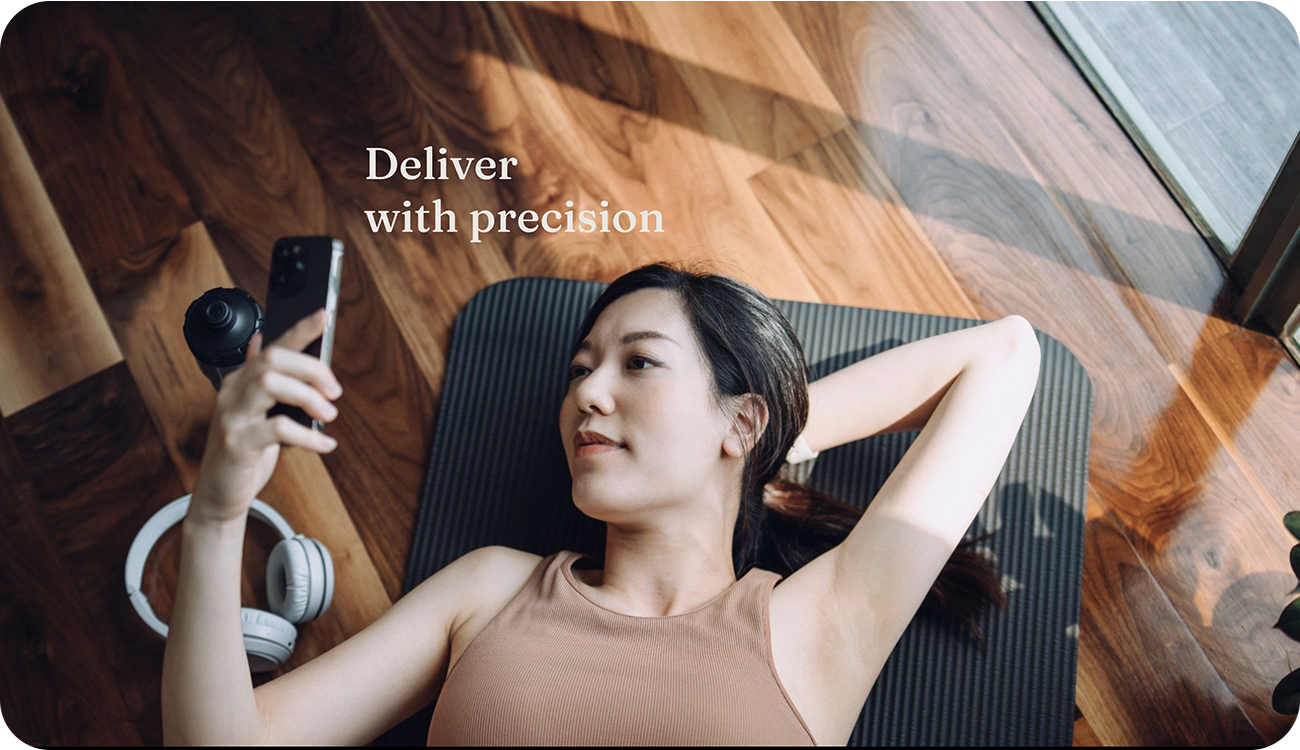
It might seem frivolous, but I promise you it’s not. Every single brand has something they believe will benefit a human being. And the ones that earn loyalty are those that responsibly and ethically recognize individuals in their full, multidimensional lives.
For leaders, the takeaway is clear. Whole human marketing is a strategic imperative that requires rethinking how you measure success (trust, not clicks), how you build teams (pairing data science with emotional fluency), and how you apply AI (as a co-architect of empathy).
The return isn’t only more engagement—it’s meaningful relationships that endure. At MERGE, this is how we’re moving from talking about AI to proving its value and building trust at scale, one whole human at a time. In the end, the paradox holds, with a caveat. The more we embrace AI and data, without abdicating our responsibility to shape meaningful and appropriate experiences, the more room we create for distinctly human value.
People don’t pause their identities when they move from patient to parent or consumer to athlete, and brands can’t afford to treat them as if they do. Whole human marketing means building systems that honor relationships and the multidimensional, complex people we serve.
We’re ready to make this concept a reality at MERGE.
We’d love to talk.